
Circuit Breaker
What Is a Circuit Breaker?
A circuit breaker is an automatic protective device designed to stop the flow of electrical current when abnormal conditions occur, such as overloads or short circuits. By interrupting excessive current, circuit breakers help prevent equipment damage, reduce fire risk, and protect electrical infrastructure.
Unlike fuses, which must be replaced after operation, circuit breakers can typically be reset once the underlying issue has been corrected. This reset capability makes them a critical component of modern electrical distribution systems.
Circuit breakers are commonly used in conjunction with protective relays and monitoring systems to detect fault conditions and isolate affected portions of an electrical network.
How a Circuit Breaker Works
Circuit breakers continuously monitor electrical current within a circuit.
Fault Detection
When current exceeds safe operating limits due to overload, short circuit, or equipment failure, the breaker’s internal mechanism is triggered.
Interruption of Current Flow
The breaker opens its contacts, physically interrupting the circuit and stopping current flow.
Reset and Restoration
After the cause of the fault has been corrected, the breaker can be manually or automatically reset to restore power.
Coordination with Protective Relays
In larger or more complex systems, protective relays detect fault conditions and signal the circuit breaker to trip, ensuring precise and coordinated system protection.
Types of Circuit Breakers
Different breaker types are used depending on voltage level and system requirements:
Low-Voltage Circuit Breakers
Used in facility and industrial power distribution systems.Molded Case Circuit Breakers (MCCBs)
Provide adjustable protection for higher current applications.Power Circuit Breakers
Used in large-scale switchgear and high-capacity distribution systems.Medium-Voltage Breakers
Designed for higher voltage applications in utility, industrial, and infrastructure systems.

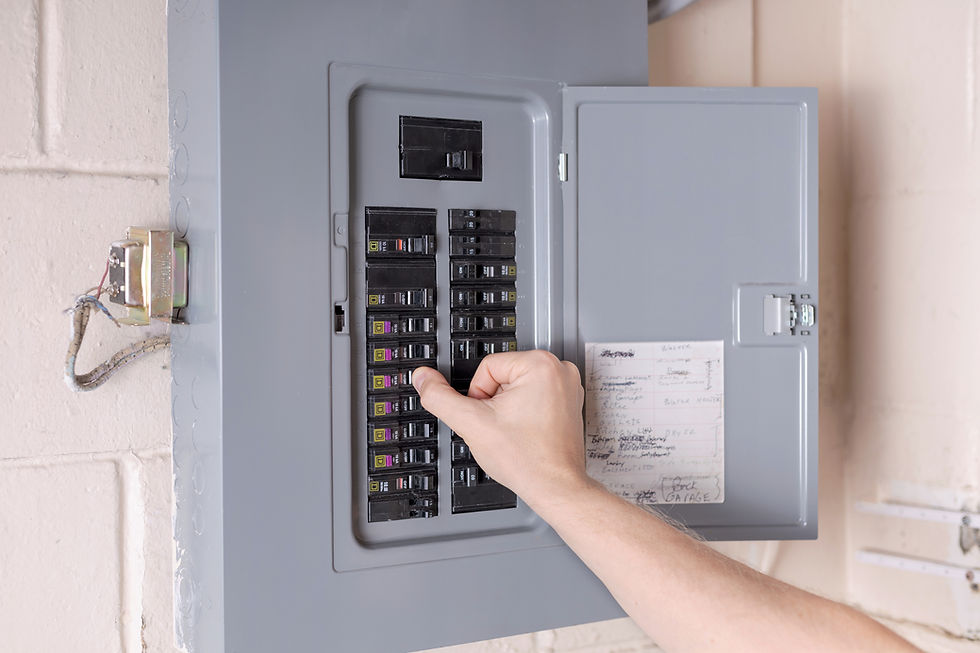
Photo of a Circuit Breaker
Circuit Breakers Across Enercon-Supported Industries
Data Centers
In data centers, circuit breakers protect critical power distribution systems that support IT equipment, cooling infrastructure, and redundant power paths. Proper coordination ensures faults are isolated without compromising uptime.
Military and Defense
Defense systems require reliable circuit protection to safeguard mission-critical electrical infrastructure operating under demanding conditions. Circuit breakers help ensure continuity and safety during fault events.
Healthcare Facilities
Hospitals and healthcare facilities rely on circuit breakers to protect life-safety systems, medical equipment, and emergency power infrastructure while meeting strict compliance requirements.
Industrial and Infrastructure Applications
Manufacturing plants, water and wastewater facilities, and transportation systems depend on circuit breakers to protect motors, control systems, and process equipment from electrical faults.
Why Circuit Breakers Matter
Protect equipment and conductors from overload and short circuits
Reduce fire risk and electrical hazards
Enable safe isolation of faulty circuits
Support system reliability and operational continuity
Allow power restoration after faults are corrected
Circuit Protection in Engineered Electrical Distribution Systems
Effective circuit protection is fundamental to safe and reliable electrical system design. Properly selected and coordinated circuit breakers help isolate faults quickly while minimizing disruption to unaffected portions of the system.
Enercon designs and integrates electrical distribution systems that incorporate circuit breakers and protective coordination strategies within custom switchgear and control solutions. This approach supports resilient operation across mission-critical environments, including data centers, defense systems, healthcare facilities, and industrial applications.