

Rotor
What Is a Rotor?
A rotor is the rotating part of an electrical machine, such as a motor, generator, or alternator.
It works together with the stationary component (called the stator) to convert energy between electrical and mechanical forms. The rotor spins within the machine and plays a central role in generating motion or producing electricity.
How a Rotor Works
The rotor operates within a magnetic field created by the stator or other components.
Depending on the type of machine:
In a motor, the rotor rotates when electrical energy is converted into mechanical motion.
In a generator, the rotor spins due to mechanical input, producing electrical energy through electromagnetic induction.
This interaction between magnetic fields and motion allows electrical machines to perform work.
Types of Rotors
Different electrical machines use different rotor designs.
Squirrel Cage Rotor
Commonly used in induction motors, consisting of conductive bars connected by end rings.
Wound Rotor
Contains windings connected through slip rings, allowing for more control in certain motor applications.
Permanent Magnet Rotor
Uses permanent magnets to generate a magnetic field, often found in high-efficiency motors and generators.
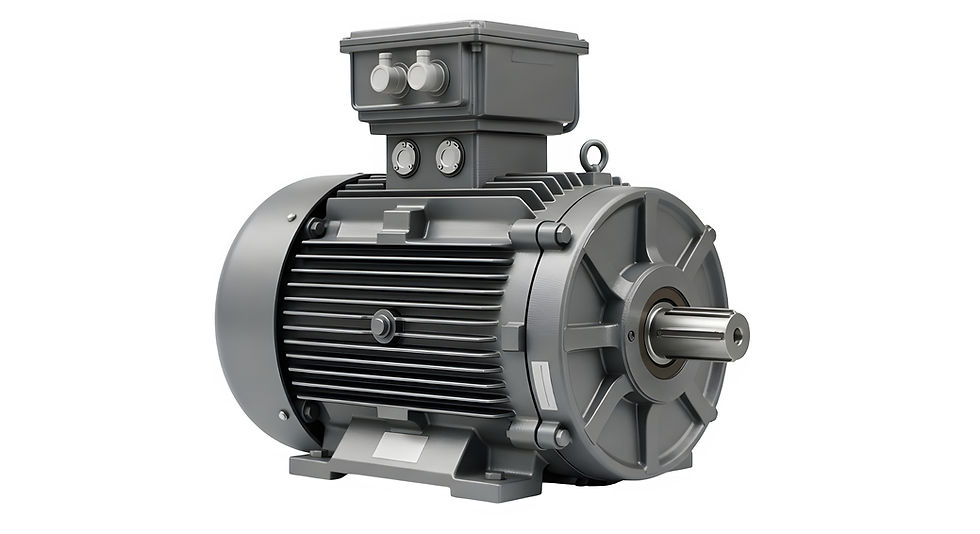
Photo of a Rotor
Rotor vs Stator
Understanding the difference between the rotor and stator is essential.
Rotor = rotating component
Stator = stationary component
The interaction between these two parts creates the electromagnetic forces required for energy conversion.
Rotors Across Enercon-Supported Industries
Manufacturing
Manufacturing facilities rely heavily on electric motors with rotating rotors to drive machinery, conveyors, and automated systems.
Oil & Gas
Oil and gas operations use motors and generators with rotors to power pumps, compressors, and drilling equipment.
Green Energy
Renewable energy systems such as wind turbines and generators depend on rotor movement to convert mechanical energy into electrical power.
Data Centers
Data centers rely on generators and cooling systems that use rotating equipment with rotors to maintain uptime and system reliability.
Healthcare Facilities
Hospitals depend on backup generators and mechanical systems that rely on rotor-driven equipment for continuous operation.
Wastewater
Wastewater treatment plants use motor-driven pumps and aeration systems that rely on rotating rotors for operation.
Rotating Equipment in Engineered Power Systems
Rotating electrical machines are essential components in power generation, mechanical systems, and energy conversion processes. The rotor plays a critical role in enabling these systems to function efficiently and reliably.
Enercon designs and integrates electrical distribution systems that support reliable power delivery across complex environments. Through engineered switchgear and integrated power solutions, Enercon helps organizations maintain stable electrical infrastructure that supports motor-driven equipment and power generation systems across manufacturing plants, oil and gas operations, renewable energy installations, data centers, healthcare institutions, and wastewater facilities.